
The First Ten Minutes
- 1
Shut off the main
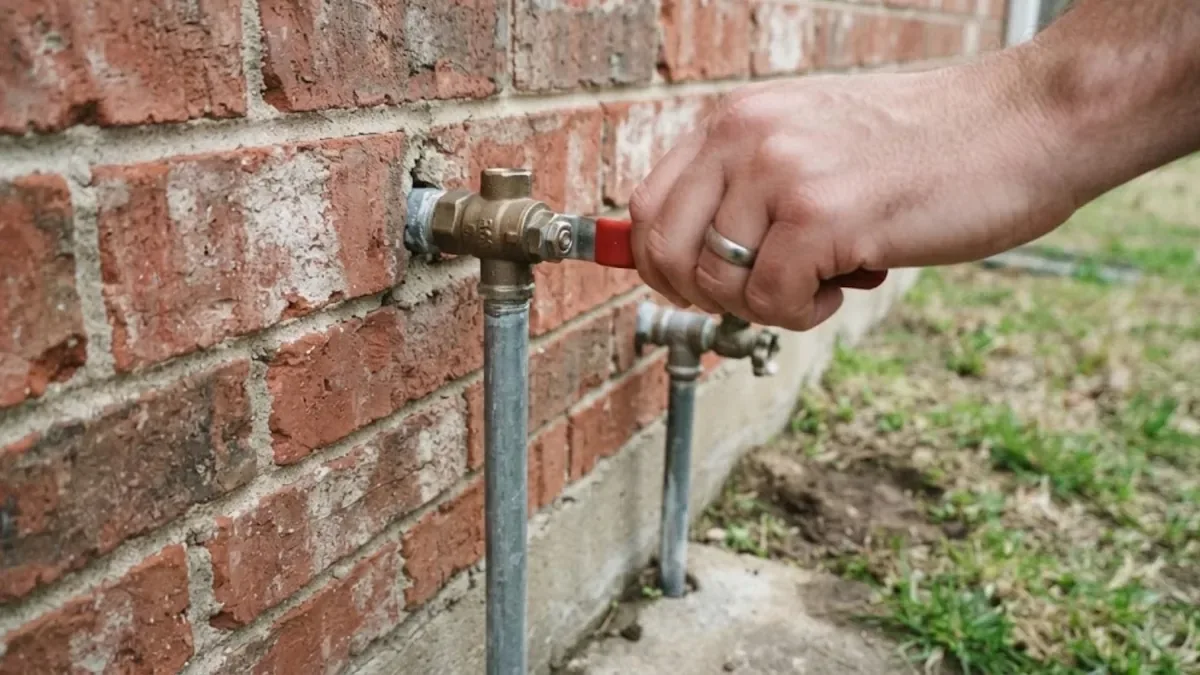
Turn the main valve clockwise to stop the flow. If it is stuck, call for help and keep clear of the water.
- 2
Kill the power if needed
If water is near outlets or the panel, do not step into it. Call the electric utility or 911.
- 3
Drain the lines
Open the lowest faucet and flush an upstairs toilet to relieve pressure.
- 4
Move and photograph
Lift belongings off the floor and photograph damage before cleanup.
- 5
Call a plumber
Tell dispatch where the water is coming from and what is already off.
Why Pipes Burst
Freezing is the most famous cause, because water expands as it turns to ice. The pipe often splits at the point where pressure peaks, which may not be where the ice sits. Pipes in exterior walls, garages, crawlspaces and unheated basements are most exposed.
Corrosion, high pressure and failed fittings also cause bursts. A burst in old galvanized pipe can mean the rest of the line is weak too, which is worth discussing with the plumber before deciding between repair and replacement.
Common Repair Methods
| Method | When it fits | Notes |
|---|---|---|
| Coupling or section replacement | One split in sound pipe | Quick and local |
| Reroute | Hard to reach or repeat failures | New path avoids the damaged area |
| Replace the run | Multiple weak points | Larger job |
| Repipe | Widespread corrosion | Planned project after the emergency |
Pipe Burst Right Now?
Call the 24/7 line. Same-day appointments are offered when available, and you hear the price first.
Drying and Documenting
Water damage continues after the pipe is fixed. Remove standing water, open windows and run fans. Mold can start in damp materials within days, so dry quickly and watch for musty smells.
Keep receipts, take photos of the damage and note the date and time. Many homeowners policies cover sudden bursts and their damage, but not slow leaks. Ask your insurer what it needs. A plumber can note the cause on the invoice.
Prepare Before the Next Cold Snap
- Find and test your main shutoff now
- Insulate exposed pipes in garages and crawlspaces
- Keep heat on, even in empty rooms
- Let a faucet drip during a hard freeze
- Know who to call after hours
Common Places Pipes Burst
Pipes in unheated spaces fail first. These include crawlspaces, garages, exterior walls, attics and the runs that pass near a bad window or a vent. In houses with a basement, the pipe near the rim joist where the wall meets the foundation is a frequent spot.
Outdoor hose bibs are another weak point. A hose left attached through winter traps water that freezes and splits the faucet or the pipe behind it. Removing hoses and shutting off the indoor valve to outdoor faucets prevents that.
What a Good Repair Looks Like
A proper repair uses the right fittings for the pipe type, supports the pipe so it does not sag and keeps joints out of tight spots where they will be hard to reach. The plumber should repressurize the system and watch for leaks before closing any opening.
Ask about the pipe on either side of the failure. Pipe near a burst has often been stretched or weakened, and replacing a few extra feet is cheaper than a second repair next month.
After The Repair: Preventing A Repeat
Once the pipe is fixed, look at why it failed. Insulate exposed runs, seal air leaks near pipes, add heat to cold spaces and replace corroded sections. Small steps now can prevent a second burst.
Consider a smart water shutoff or a leak sensor near the water heater, sinks and the basement. These devices alert you or close the supply when they detect water, and they can limit the damage if a pipe fails when you are away.
Keeping Records For Your Insurer
Take wide photos of each affected room and close photos of the damage. Keep a list of damaged items with approximate value, and save receipts for fans, drying equipment and temporary repairs.
Ask your insurer how soon to report the loss and what repairs may start before an adjuster visits. Clear records speed up a claim and reduce disagreements about what the water damaged.
Ask whether your insurer has a preferred contractor for drying and repairs, and whether the plumber must document the cause before work begins. A short call early can save a lot of time after the water is gone.
Rolling Meadows Context
Rolling Meadows was incorporated in 1955 after the first residents moved in during 1953, and about 700 homes had sold by 1955. The 2018 comprehensive plan says most of its housing was built between 1950 and 1980, so many homes have supply lines that are now decades old.
The city's water page lists about 85 miles of main and 1,200 hydrants. If the burst is at the street or the meter pit, call Public Works at 847-963-0500 on weekdays. The city owns the service line to the shutoff valve, and the owner is responsible from the valve into the house.
Getting the Right Repair
A burst in an older house is a good moment to ask what material the pipe is and how the rest looks. Our burst pipe repair page explains the process, and we also cover Palatine. See Palatine emergency plumbing for details.
You get a clear price before work starts. If the plumber finds other weak pipe, you decide what to do about it, and no extra work is done without your approval.
Sources and Local Rules Behind This Page
Plumbing work in Illinois is governed by the Illinois Plumbing Code, 77 Ill. Adm. Code 890, which municipal inspectors enforce, and the Illinois Department of Public Health licenses plumbers. The housing age notes here come from the City of Rolling Meadows 2018 comprehensive plan, according to which most housing was built between 1950 and 1980.
We name these sources so you can check them yourself. Rules and phone numbers change, so confirm with the city office or the state before you rely on any detail for a permit or a purchase.
Common Questions
Shut off the main water valve, then open the lowest faucet to drain the lines.
Many policies cover sudden bursts, but terms differ. Check yours and document the damage.
A temporary clamp can slow a leak, but a permanent repair should be done by a plumber.
Warm it slowly with a hair dryer, never an open flame, and shut off the main if you see a crack.
The city owns the line to the shutoff valve or B-box, and the homeowner owns it from the valve into the house.
The city's 2018 plan says most housing was built between 1950 and 1980.
Still not sure what you are dealing with? Call (847) 281-8626 and describe it to our dispatcher.