
Why Two Fixtures Fail Together
Every fixture in a house drains into a branch line that joins a larger drain. A clog in a branch affects only the fixtures on it. A clog in the main drain affects everything upstream of it, and the lowest fixtures, such as a basement shower or floor drain, show the problem first.
A toilet and a shower in the same bathroom share a branch in many houses. If both are slow, the blockage could be in that bathroom's branch or in the main below it. Checking other fixtures in the house helps narrow it down.
A Five-Minute Diagnosis
- 1
Stop using water
Pause showers, laundry and dishwashing so the line can settle.
- 2
Check other fixtures
Run a sink on another floor and flush a different toilet. If they drain normally, the clog is probably in the bathroom branch.
- 3
Look at the lowest drain
Check the basement floor drain and tub. Water or gurgling there points to the main.
- 4
Listen for bubbling
Gurgling in a tub when a toilet flushes means the vent or drain is restricted.
- 5
Call with your findings
Tell dispatch which fixtures are affected and what they do.
What the Pattern Tells You
| Pattern | Likely location | Fix |
|---|---|---|
| Bathroom toilet and shower only | Bathroom branch | Drain cleaning through a fixture or cleanout |
| Toilet, shower and kitchen sink | Main drain | Sewer line cleaning |
| Basement floor drain overflows | Main drain or lateral | Cleanout access and camera |
| Gurgling after each flush | Partial blockage or vent issue | Cable and inspection |
| Repeated backups every few months | Roots or damaged pipe | Sewer inspection |
Fixtures Backing Up Together?
Call the 24/7 line. A same-day appointment is offered when available, and the price is clear first.
Why Plunging May Not Help
A plunger works on a clog near the fixture. If the blockage is in a branch or main line, pressure just moves water around. Plunging a toilet while sewage is coming up from a floor drain can push dirty water into the bathroom.
Avoid running more water to see if it drains. Every gallon you add can end up on the floor. If water is already rising, stop using the plumbing and call.
What Not To Do
- Do not pour chemical drain cleaner into backed-up fixtures
- Do not keep flushing to test the line
- Do not touch standing sewage without gloves and boots
- Do not use electrical devices near wet floors
- Do not ignore a repeat problem, since the cause is likely still there
How Roots and Pipe Damage Cause Repeat Backups
Tree roots look for moisture and enter small gaps at pipe joints. Over the years they thicken and catch paper and grease, forming a net that slows and then stops flow. Cleaning removes the roots in the pipe, but the roots grow back until the joint is repaired.
Clay pipe, and older cast iron, can also crack, offset or collapse. A camera inspection shows which problem you have, so you can decide between periodic cleaning and a repair that stops the backups for good.
Protecting the House Until Help Arrives
Keep people and pets out of any area with sewage, and wear boots and gloves if you must enter. Open windows for ventilation. Do not mix cleaning products, since some combinations make toxic gas.
Photograph the water and any damaged items for your insurer. Some policies cover sewer backup only with an added endorsement, so it is worth reading your policy now and asking about the option before a backup happens.
Questions Dispatch Will Ask
Dispatch will ask which fixtures are affected, whether there is a basement or floor drain and whether sewage is on the floor. They will ask if anything unusual was flushed and how long the problem has lasted.
Having those answers ready helps send the right equipment. A heavy main line blockage may need a jetter, while a branch clog needs a cable, and the plumber can arrive prepared for either.
Preventing the Next Backup
Keep grease, wipes, paper towels and hygiene products out of the drains. If you have trees near the sewer line, ask a plumber about periodic cleaning or a camera check, since roots return after cutting.
If you rent, report slow drains early. A small clog is far easier to clear than a full backup, and early reports protect both you and the building.
Who To Call in Rolling Meadows
The City of Rolling Meadows asks residents to call Public Works before a plumber when a main line blockage is suspected. Public Works is at 847-963-0500 on weekdays, and the city checks the main at no cost. After hours, the city's sewer guide gives the non-emergency police line at 847-255-2416 as the number to call.
The guide also notes that blockages in the right of way that the city's contractor clears are invoiced to the owner. That is another reason to find out where the blockage is before the work starts. If the main is clear, the problem is the owner's lateral, and our team can help.
What We Do on the Call
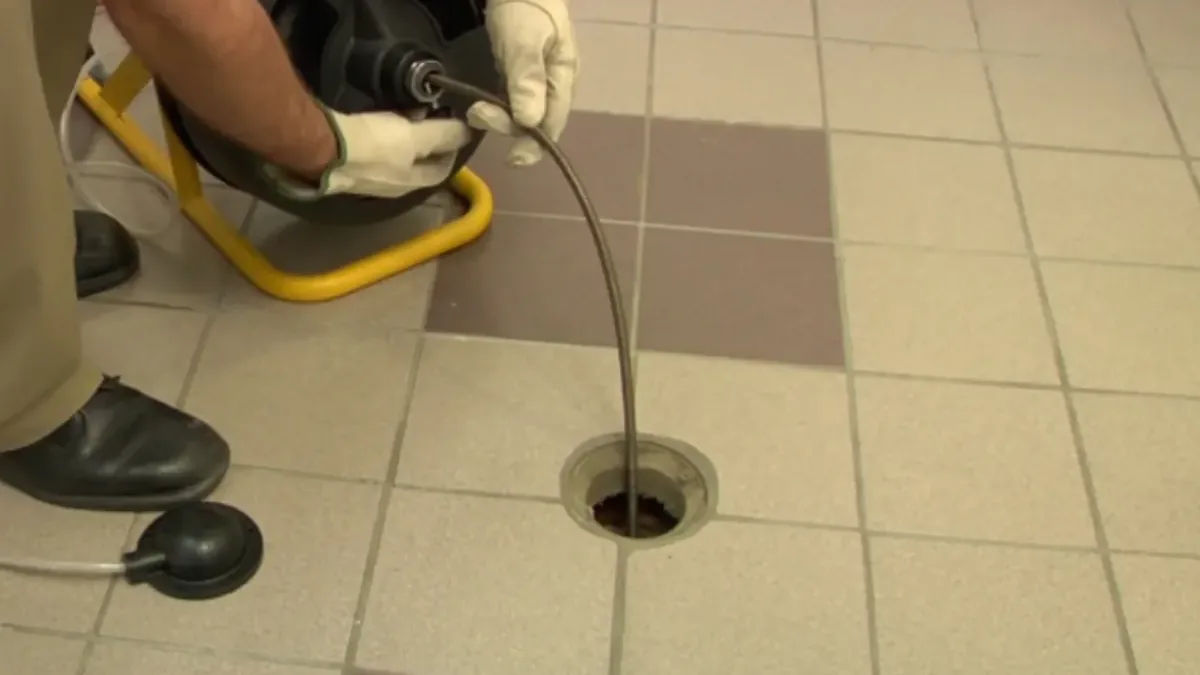
Our plumber clears the blockage with a cable or a jetter and, where needed, runs a camera to see the cause. You get a clear price before work starts, and the plumber explains what was found.
We also serve Palatine, where homeowners face the same kinds of backups. See emergency plumber service in Palatine for how to reach us there.
Sources and Local Rules Behind This Page
Plumbing work in Illinois is governed by the Illinois Plumbing Code, 77 Ill. Adm. Code 890, which municipal inspectors enforce, and the Illinois Department of Public Health licenses plumbers. The ownership and cleanout guidance here comes from the City of Rolling Meadows sewer guide, according to which the owner maintains the lateral to the main.
We name these sources so you can check them yourself. Rules and phone numbers change, so confirm with the city office or the state before you rely on any detail for a permit or a purchase.
Common Questions
They often share a branch or the main drain. A blockage downstream of both affects both.
Rolling Meadows asks residents to call Public Works first when the main may be blocked. After hours, call our 24/7 line.
If sewage is coming up into the house, yes. Stop using water and call.
The sewer guide lists the non-emergency police line at 847-255-2416 for after-hours contact.
The sewer guide says blockages in the right of way cleared by the city's contractor are invoiced to the owner.
Yes. The city notes that roots enter at pipe joints, and a camera inspection shows whether that is the cause.
Still not sure what you are dealing with? Call (847) 281-8626 and describe it to our dispatcher.